No products in the cart.

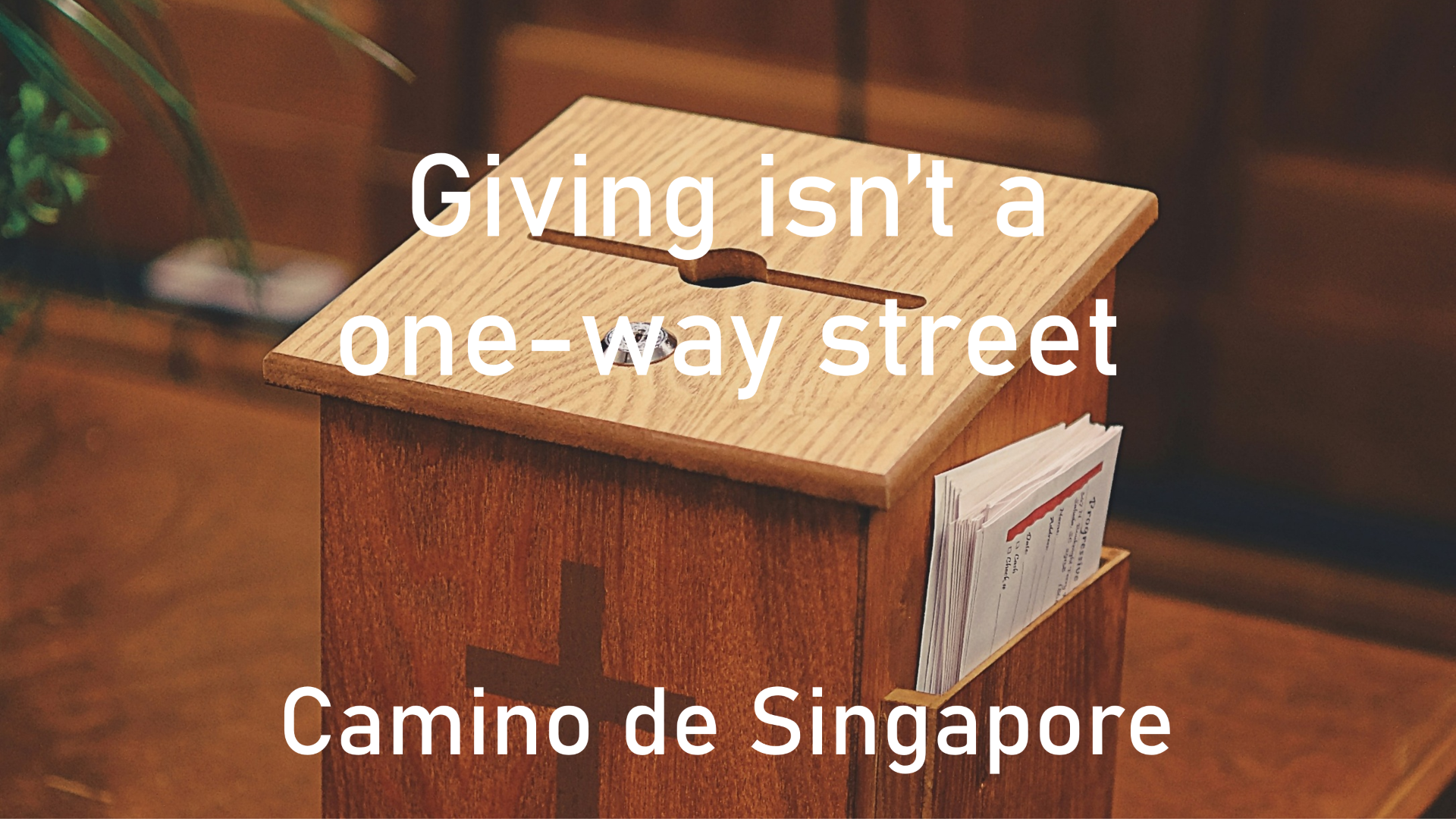
The season of Lent is here once again, and Christians are invited to prepare spiritually for the coming of Easter. In the Catholic Christian tradition, we are reminded to perform the age-old trinity of fasting, praying and almsgiving. How are these practices still relevant today? Do they hold any meaning for our social mission of serving the vulnerable and marginalised?
Spending an entire season to prepare for Easter has echoes in Scripture. In the Old Testament, ancient Israelites spent a long time wandering in the desert before crossing into the Promised Land. In the gospels, Jesus spent 40 days in the desert before beginning his public ministry. Thus, the idea of preparation is ancient and has remain unchanged.
Yet, how one prepares can look different depending on place and time. For a long time, Christians have been invited to fast, pray and give alms primarily because these are acts of repentance for personal sins. In recent times, however, there has been a shift towards seeing the practice more of as a way to grow in love for God and his children, especially the poor.
From this perspective, fasting is not just showing remorse for our sins but to reduce distractions, such as entertainment platforms, and give God and other people more attention. Fasting from basic necessities can also cultivate empathy for those in need. Prayer during Lent is not just appealing to God for forgiveness but an intimate ask for help in bringing justice and mercy for the suffering. Almsgiving is not only about giving up wealth as penance. It is also about care and concern for the poor.
Since almsgiving has the most direct impact on the vulnerable, let us take a deeper dive into this practice. Almsgiving has received some attention recently in the Apostolic Exhortation Dilexi Te. Started under Pope Francis and published as Pope Leo’s first document last year, Dilexi Te demonstrates that Scripture and Tradition as well as the history of the Church testify to the centrality of love for the poor in the life and teachings of the Church. At the end of the document, consistent with the core message of loving the poor, the pope mentions that the best way to help the poor is by helping them find jobs. But where this is not possible, almsgiving is necessary.
Obviously, almsgiving is important because it helps the poor in a practical way. Money helps them obtain necessary resources to survive. But the pope explains that almsgiving is not a one-way street. Even if we cannot solve the problem of poverty, we should still do it diligently and intentionally because it “offers us a chance to halt before the poor, to look into their eyes, to touch them and to share something of ourselves with them”. In this way, almsgiving will “will touch and soften our hardened hearts” and guard us against the danger of “remaining in the realm of ideas and theories” by giving our ideals a concrete expression. This is why the pope quoted John Chrysostom who said, “Almsgiving is the wing prayer. If you do not provide your prayer with wings, it will hardly fly.” It is difficult to pray sincerely without a loving heart.
In this season of preparation, let us be conscious of how the Lenten practice of praying, fasting and almsgiving can deepen our relationship with God and our neighbours, especially the poor. Let us try to see giving others our time or resources not only as a form of help but also, more importantly, as a way to concretise our ideals and encounter those in need as brothers and sisters.
Caritas Singapore’s Charities Week, its annual fundraising campaign, is running from 28 Feb - 10 May 2026. Find out more here.
Erwin Susanto works for Caritas Singapore. He enjoys arcane conversations on the Old Testament/Hebrew Bible in the context of the Ancient Near East. He enjoys thinking about all sorts of contemporary issues and often wonders if punditry is fun.