No products in the cart.

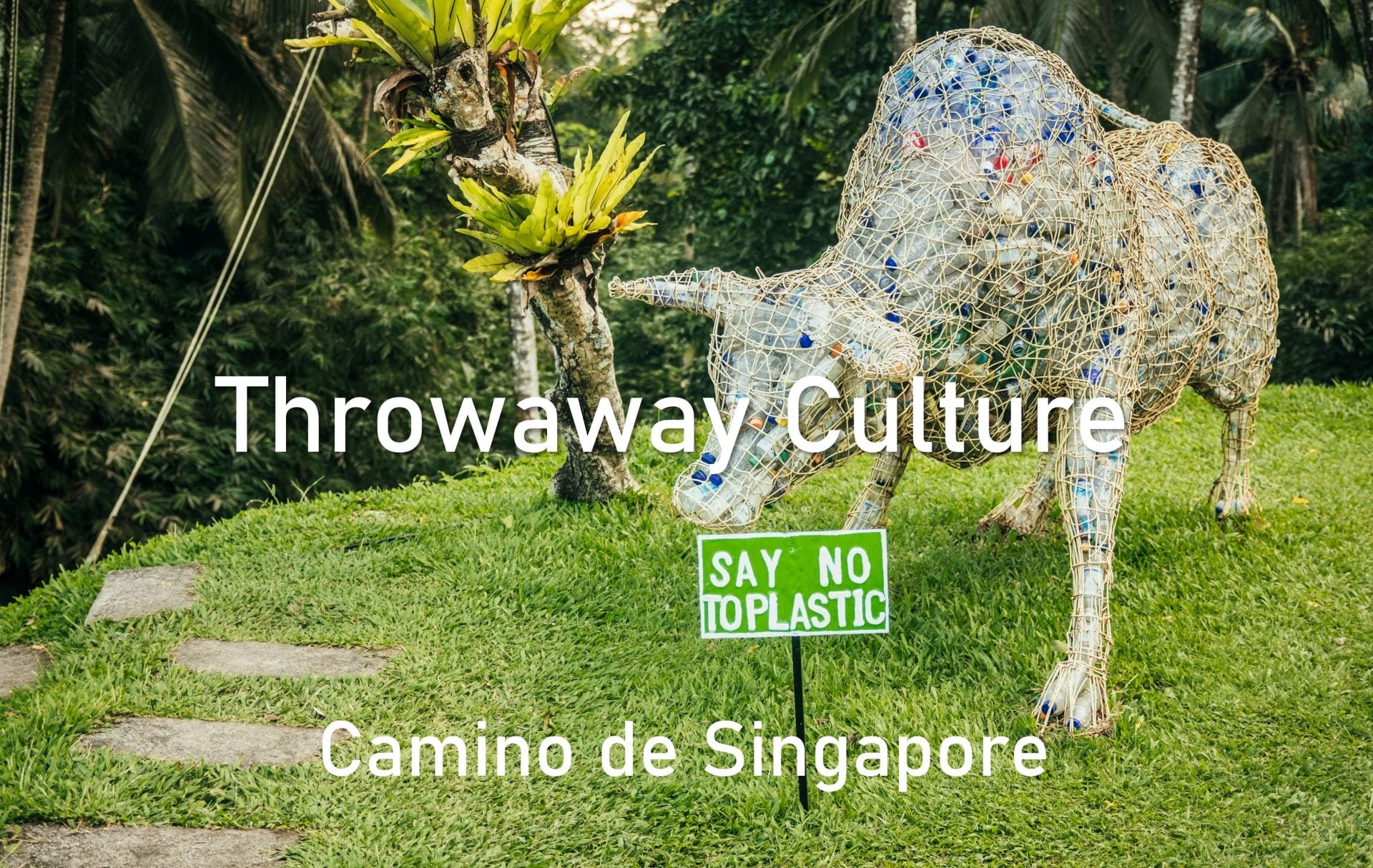
The public have been invited to dialogues as part of an ongoing review of Zero Waste Masterplan. Originally conceived in 2019, the masterplan aimed to increase recycling rate from 59% then to 70% in 2030. Six years later, in 2025, overall recycling rate fell to 52% instead. Plastic recycling rate was especially low at 4%. How did it come to this?
Recycling here is ultimately a business; it only works if it can cover operational costs.
Due to land scarcity, Singapore relies on overseas centres for recycling. This means that global events that result in higher transportation costs, such as Iran war, can hinder recycling effort. Moreover, countries where these centres are located have progressively tightened rules on waste that can enter.
Also, since recycled materials must be sold to buyers to make money, they compete directly with virgin raw materials that are increasingly cheaper to extract from the environment with technological advances. A currently high degree of contamination makes it even more costly to process and recycle waste.
All this is not to say that we should give up on recycling. Rather, the limits of recycling remind us that in the 3Rs framework, Recycle is the third R, and therefore, the last resort. We need to double down on Reduce and Reuse instead. However, this is not always easy either.
Some practices are easier to adopt. For example, bringing reusable lunch boxes and mugs to avoid using disposable containers and cups is a great and easy way to minimise waste. Other habits such as avoiding purchase of new clothes by buying pre-loved items instead are more difficult because a huge change of mindset is needed. (That said, apps like Olio and GoodHood are using technology to make it easier.) And then there are nearly impossible ones. Today, repairing instead of throwing away old gadgets or clothes is impractical because it often costs more to do so. It is also hard to imagine how supermarkets can stock up food and drinks without the use of plastic packaging.
It is good that Singapore is trying to move towards a circular economy, where nothing is wasted and everything is reused, so as to extend the lifespan of Semakau landfill. This is also exactly what the Church calls us to work towards. But as we have seen above, it is a very challenging endeavour. Laudato si’ teaches that “throwaway culture” is embedded very deeply in our modern society. We are so used to the convenience of throwing things away when they are no longer useful that going through the trouble of reducing waste feels like a backward practice. It does not help that many businesses are motivated to sell things that get thrown away quickly so they can sell as much as possible in the shortest time to maximise profit. As a result, we adopt a general attitude of failing to respect the natural resources used to make the things we throw away as a gift from God.
Yet, giving up is not an option. Caring for our common home is our responsibility that we owe to God and future generations. As a start, we should immediately adopt the easier habits as these are low-hanging fruits. NEA’s “Say YES to Waste Less” campaign can be a good start. Next, we should work with people in our social circles to take on the harder practices that require significant mindset change. As for those that require greater systemic changes, such as a rethink of supply chains to encourage repair and disincentivise use of plastic as packaging, we need to call upon institutions such as government agencies, businesses, and churches to help make them possible. The ongoing public dialogue is a useful platform for this.
If we keep on trying together as a community and society, we can reduce and reuse so much more than before, reducing the amount of waste that needs to be recycled. Hopefully, along the way, our hearts will be converted and the grip of throwaway culture upon us will loosen.
Related News
Erwin Susanto works for Caritas Singapore. He enjoys arcane conversations on the Old Testament/Hebrew Bible in the context of the Ancient Near East. He enjoys thinking about all sorts of contemporary issues and often wonders if punditry is fun.