No products in the cart.

Every time I watch delicious, edible food being thrown away, a part of me is filled with sadness. I know I am not alone in this disappointment with food waste. But it does make me wonder, why do some Singaporeans care so little?
The 2026 observance of the International Day of Zero Waste 2026 is focused on the environmental and social impacts of food loss and waste.
One would assume that for a country that imports over 90% of its food, Singaporeans would be more intentional about wasting less food. But on the contrary, food waste accounts for 12% of total waste generated in Singapore in 2024, amounting to 784,000 tonnes of food waste. Considering how Singapore locally produces about 59,000 tonnes of food annually, we waste approximately 13 times that amount.
Intensive food production destabilises the planet’s ecology. To feed humans and livestock, hundreds of millions of hectares of land are cultivated, making agriculture the largest driver of land-use change and water consumption worldwide. In the Amazon, up to 80% of deforestation stems from cattle grazing. To accelerate yields, industries rely heavily on nitrogen and phosphorus fertilisers derived from fossil fuels, which pollute waterways and trigger eutrophication. Ultimately, food waste represents a massive loss of labour, energy, water, and biodiversity.
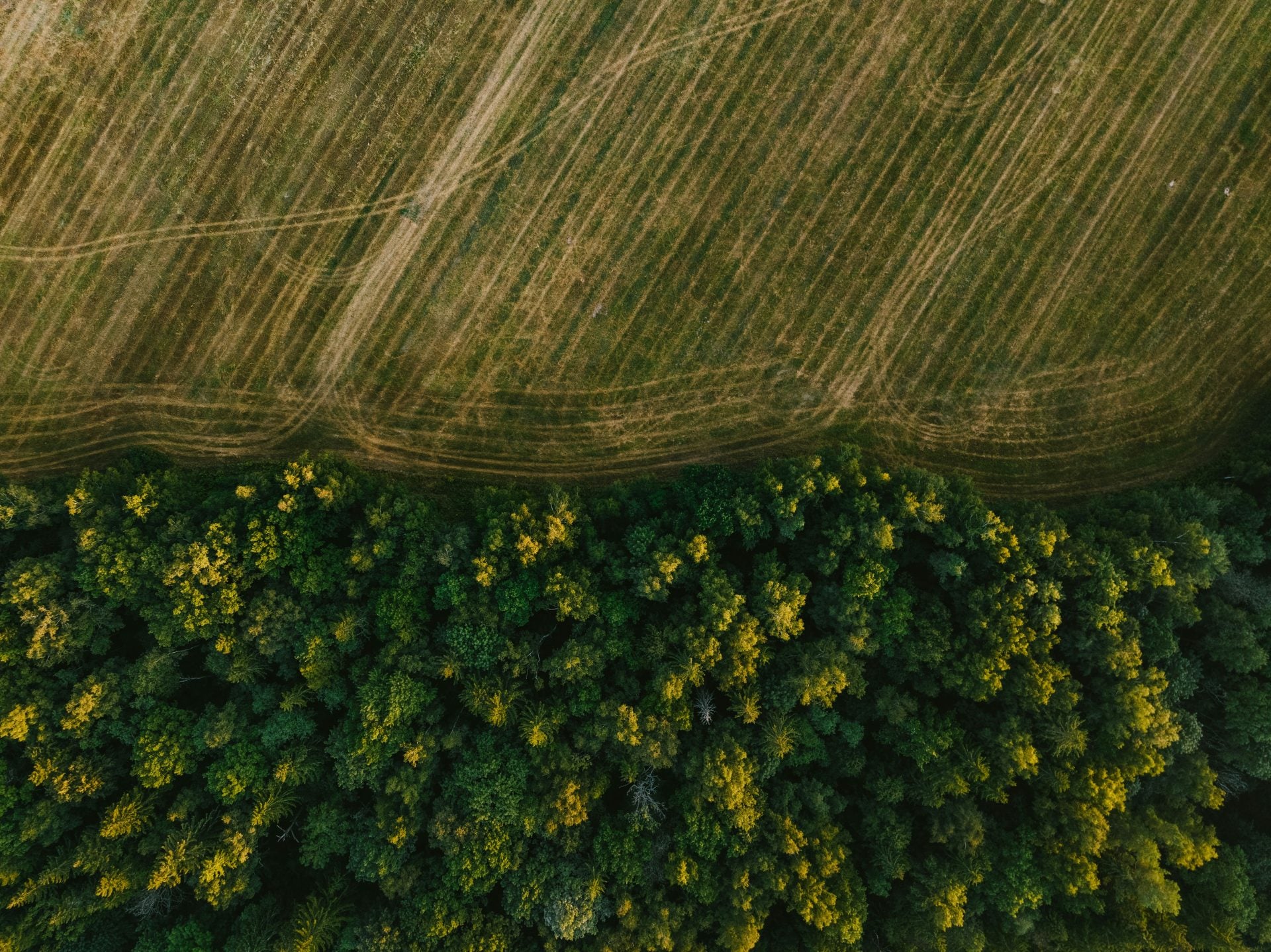
Agriculture is the largest driver of deforestation, accounting for nearly 90% of forest loss worldwide.
We probably know someone who wastes food regularly, but do we know someone who is facing food insecurity in Singapore? The hunger report published in 2020 by SMU in partnership with The Food Bank Singapore provides a detailed account of the problem of food insecurity in Singapore. It shows that about 10% of Singaporean households experience food insecurity at least once a year, with 3.5% facing severe food insecurity. Yet only 22% of food-insecure households receive food support, and an even smaller proportion of 20% reported that the food relief made a lasting impact. This obliges us to consider our social responsibility to share food equitably and reduce food waste. As Pope Francis reminds us in a 2013 speech, whenever food is thrown out, it is as if it were stolen from the table of the poor, from the hungry.
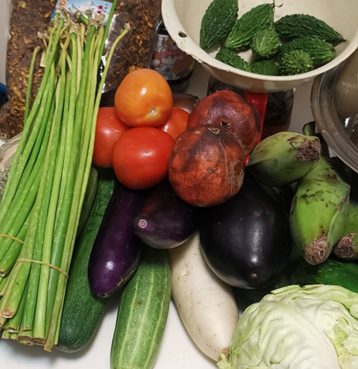
A significant amount of food waste is good and edible food, such as these vegetables that were rescued by SG Food Rescue.
In a 2020 speech, Pope Francis calls Christians to reflect on ‘throwaway culture’ and to practice Contemplation and Compassion. We need to acknowledge that consumerism socialises us to excess and gluttony and desensitises us to the wasting of the Earth and the poor. Instead, we need to contemplate the value of life, of food, and of creation by granting oneself “the time to be silent, to pray, to restore harmony to the soul...”
When we permit ourselves to discard without compassion, we allow ourselves to be indifferent to environmental degradation and poverty. Instead, let us practice compassion through building relationships and caring for others; to choose to remove degradation of creation and restore dignity for the poor.
On Zero Waste Day 2026, let us also reflect on the miracle of loaves and fishes (Lk 9:17), where Jesus ensures that food is shared fairly, with solidarity, amongst all, where no one was deprived, while ensuring that nothing goes to waste. Let us make a serious commitment to respect and care for creation, to pay attention to every person, to combat the culture of waste and foster a culture of encounter and solidarity.
Practical tips to reduce food waste:
- Plan groceries and meals to avoid excess.
- Under catering gatherings/events by 20%.
- Bring takeaway containers.
- Join food rescues with sgfoodrescue.wordpress.com.
- Use food rescue apps: treatsure, yindii, Olio and FoodToo.
- Compost unavoidable food waste.
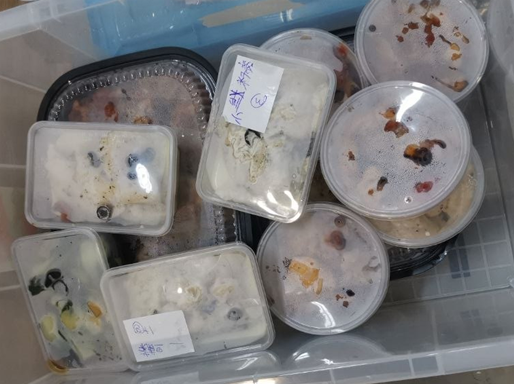
Our effort to rescue all leftover catered food from events.
Lecarl Lim works for Caritas Singapore. He has led several youth-led initiatives in Singapore that champion creation justice, social equity, and community wellbeing, inspiring others to rethink how we live, work, and care for our common home.